

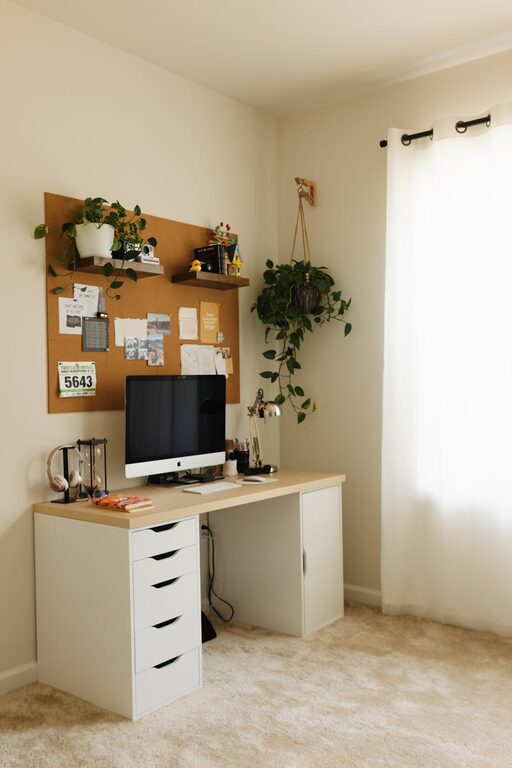
Creating a home office that balances comfort and productivity can make a significant difference in your workday experience. Whether you work remotely full-time or need a dedicated space for occasional tasks, setting up an inviting and efficient workspace helps you stay focused and motivated. This guide offers practical tips to help you design a cozy and productive home office.
Choose the Right Location
Choosing the right spot for your home office is the foundation of creating a productive environment. Ideally, find a space with good natural light and minimal distractions. If possible, select a room with a door that you can close to separate work from home life. If space is limited, a quiet corner or nook can work well too.
Consider Lighting
Natural light is one of the best ways to improve both mood and alertness. Position your desk near a window if possible, but avoid glare on your screen. Supplement natural light with adjustable task lighting—a desk lamp with warm, soft light can reduce eye strain and add a cozy atmosphere during darker hours.
Invest in Comfortable Furniture
Comfortable furniture is essential for long hours at your desk. Choose a chair that supports good posture with adjustable height and lumbar support. If you use a desk for many hours, consider an ergonomic setup that fits your height and work style.
Desk Options
Select a desk with enough surface area for your computer, notebooks, and other essentials but avoid clutter. Depending on your preferences, options include a traditional desk, a standing desk, or even a combination of both to alternate positions throughout the day.
Personalize Your Space
Adding personal touches makes your workspace feel welcoming and reflects your personality. Consider simple additions like plants, artwork, or photos. Greenery not only adds color but has been shown to reduce stress and increase productivity.
Keep it Simple
Although personalization is encouraged, aim to keep your workspace uncluttered. A tidy desk helps maintain focus and prevents distractions. Use organizers, shelves, or storage boxes to keep supplies neatly arranged but out of the way.
Manage Noise and Distractions
Noise can hugely impact concentration. If your home is noisy, consider noise-canceling headphones or play soft instrumental music to help maintain focus. You can also use room dividers or rugs to absorb sound and create a quieter environment.
Organize Your Tech Setup
A well-organized tech setup minimizes frustration and supports smooth work flow. Use cable organizers to keep cords neat, and ensure your computer, monitor, keyboard, and mouse are positioned comfortably to avoid strain.
Keep Essentials Within Reach
Place frequently used items like pens, notebooks, and chargers within easy reach. Consider adding a charging station for your devices to keep everything powered and ready to go.
Create a Routine
A cozy and productive home office isn’t complete without a defined work routine. Set regular work hours to establish boundaries between work and personal time. Take short breaks to stretch, hydrate, or walk around to maintain energy and focus.
Add Comfort Elements
Small comfort elements help make your workspace inviting and reduce stress. Consider a soft throw blanket, an ergonomic footrest, or a small fan or heater to adjust the temperature just right.
Use Calming Colors
Colors influence mood and productivity. Soft, neutral tones such as beige, light grey, or pastel blues can create a calm environment. Alternatively, you can incorporate pops of your favorite colors in accessories to spark creativity and joy.
Final Thoughts
Designing a home office that is both cozy and productive is about balance. Prioritize comfort and organization while personalizing the space to fit your needs. With attention to lighting, furniture, noise control, and layout, your home office can become a welcoming place that helps you work efficiently and feel good throughout the day. Take the time to adjust and improve your workspace as you discover what works best for you. Happy working!