

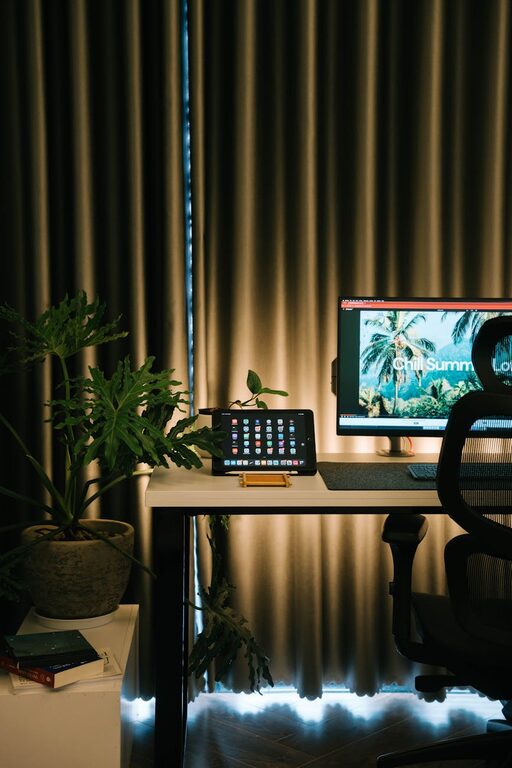
Creating a home office that feels both cozy and productive can make a big difference in how you work and how much you enjoy your time at home. Whether you’re working remotely full-time or just need a dedicated space for occasional tasks, designing an office that supports your focus and comfort is essential.
In this post, we’ll explore practical tips for setting up a home office that encourages productivity while creating a warm and inviting atmosphere.
Choose the Right Location
The first step is selecting the best spot in your home for your office. Consider these factors:
– Natural Light: Pick a space near a window if possible. Natural light not only helps reduce eye strain but also improves mood and energy levels.
– Quiet: Find a quiet corner or room where you can minimize distractions and focus.
– Privacy: If you share your home, try to set up in a place that offers some privacy to avoid interruptions.
– Space: Ensure there’s enough room for your desk, chair, and any other equipment you need without feeling cramped.
Invest in Comfortable and Supportive Furniture
Your furniture plays a vital role in comfort and productivity. Consider the following:
– Ergonomic Chair: A chair that supports your back and encourages good posture prevents discomfort and fatigue.
– Desk: Choose a desk at a comfortable height with enough surface area to hold your computer, notebooks, and other essentials.
– Adjustability: If possible, use a desk or accessories that can be adjusted for sitting or standing to vary your work position throughout the day.
Organize and Declutter
A clean and organized space helps clear your mind and boost efficiency.
– Storage Solutions: Use shelves, filing cabinets, or baskets to keep documents and supplies organized.
– Cable Management: Use clips or sleeves to manage cords and keep your desk tidy.
– Minimalism: Keep only the essentials on your desk to reduce distractions.
Personalize Your Space
Adding personal touches makes your office inviting and motivating.
– Decor: Incorporate artwork, plants, or decorative items that make you smile.
– Colors: Choose paint or accessories in colors that help you feel calm or energized based on your preferences.
– Lighting: Include a desk lamp or soft lighting options so you can adjust brightness as needed.
Incorporate Good Lighting
Proper lighting is crucial to avoid eye strain and maintain alertness.
– Natural Light First: Position your desk near windows to make the most of daylight.
– Task Lighting: Use adjustable desk lamps for focused work.
– Ambient Lighting: Soften the room’s overall light for comfort during early mornings or late evenings.
Create Zones for Different Activities
If space allows, design areas for various tasks.
– Work Zone: Your main desk for computer work and meetings.
– Reading or Brainstorming Spot: A comfortable chair where you can relax and think.
– Storage Zone: Where files, supplies, and reference material are kept.
This helps keep your workspace functional and supports workflow.
Manage Noise and Distractions
Minimizing noise improves concentration.
– Noise-Canceling Headphones: Useful if you cannot control external sounds.
– White Noise Machines or Apps: Help block out distracting background noises.
– Closed Doors: Close doors or use room dividers to reduce sound intrusion.
Maintain a Healthy Work Routine
Your workspace design supports your habits.
– Movement: Take regular breaks to stretch or walk; consider standing desks.
– Hydration and Snacks: Keep a water bottle and healthy snacks nearby.
– Time Management: Use timers and reminders to structure your work hours.
Keep Technology Up to Date
Efficient technology helps prevent frustration.
– Reliable Internet: Ensure you have strong and stable internet connectivity.
– Necessary Equipment: Invest in quality keyboards, mice, monitors, and webcams.
– Cable Management: Avoid tangled cords to keep your space neat and safe.
Final Thoughts
A cozy and productive home office blends comfort with functionality. By choosing the right location, investing in good furniture, organizing thoughtfully, and personalizing your space, you create an environment that supports your best work.
Take the time to design your home office carefully—it’s an investment in your comfort and success every day.